Jun Chiyabari, Nepal's Singular Tea Garden
No farm makes tea like Jun Chiyabari. The brews from this high elevation garden near Darjeeling are complex and layered, with unmistakable Himalayan character and unique flavors informed by a world of tea influences. If you've tasted our bestselling Himalayan Black, you know what we mean. The cedar-tinged notes of chocolate and cranberry seem to have more in common with teas from Taiwan and Japan than nearby India. What makes this garden so special?
Bachan and Lochan Gyawali established Jun Chiyabari in the Dhankuta district of Nepal in 2000. The brothers admit they knew nothing about tea back then—their backgrounds were in hotels and restaurants—but having been educated in Darjeeling, they knew what good tea tasted like and what a high-value tea business could do for farmers in remote regions. They baked trial lots of tea in a small pizza oven, and when the first commercial production sold for more than they expected, they figured they were onto something.

Despite its proximity to Darjeeling, Jun Chiyabari doesn’t follow Darjeeling’s orthodox tea schedule of first, second, monsoon and autumnal flushes. The Gyawalis divide the year into six growing seasons for a wide range styles— green, black, white and oolong—all made in small lots by a team of dedicated artisans. Bachan notes that an early conversation with a German tea buyer made him realize he’d have to do things differently. Darjeeling teas had a 150-year head start, a known name and sprawling fields of established plants, the buyer said. The Gyawalis, meanwhile, were purchasing fresh leaves from nearby farmers while planting their own tea bushes. There was no way they could compete if they followed the same playbook.
Instead, they looked eastward. Bachan studied tea farming and production techniques in China, Taiwan and Japan, and he and his brother imported processing equipment from those countries to make sophisticated tea styles that remain a rarity across the Indian border.

Nepal’s tea industry has historically been geared towards mass production for local consumption and export to India. (A lot of Indian tea is actually blended with Nepali leaf to cut costs, which the Indian government has issued laws prohibiting.) With elevations of 4,700 to 7,200 feet and climate conditions similar to Darjeeling, Jun Chiyabari was in a prime position to craft high quality lots of tea that could rival the world’s finest. It’s far from the first Nepali garden to try this approach, though we feel it's the most successful in terms of quality and consistency.
Part of this success has come from a firm commitment to minimal-intervention agriculture. The certified organic, 300-acre garden has tea plants interspersed with untouched forests, grasslands and streams. New fields are planted in patches while leaving wild plants intact. When workers clear out weeds, they don’t yank them out of the ground, which disturbs the topsoil; they cut at the base to let them act as natural mulch.
The estate doesn’t follow the hierarchical management style that most Darjeeling gardens do—a holdover, Bachan says, from colonial days. Five department heads make decisions by consensus, representing the field, tea makers, factory operations, engineering and property management. In accordance with Nepali law, workers receive 10% of the estate’s profits. The Gyawalis prefer to call the field workers “gardeners,” acknowledging that they don’t just pluck leaves but also take care of the tea plants and surrounding land. They’ve long insisted that women be paid the same as men, and they actively mentor women workers for leadership roles. Jun Chiyabari has also supported local schools and villages with sponsorships and clean water programs.

These days the Gyawalis are exploring production of dried fruits and mushrooms that are grown to the same exacting standards as their teas. They’ve agreed to buy whole annual harvests of small farmers’ strawberries, mangoes, guavas, chiles and Timur peppercorns. Once you open a package, Bachan says, you can’t stop eating until it’s gone.
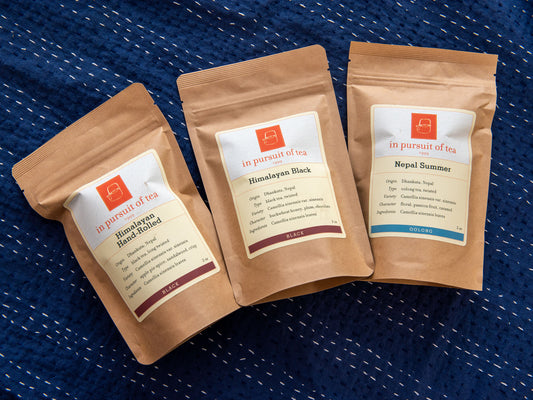
Then there’s the tea. We find that Jun Chiyabari lots all shine through many steeps, each cup offering something new. Nepal Summer is a coppery, caramel-tinged oolong that sports electric passion fruit flavors; the nuanced Himalayan White, made from tender spring buds and leaves, has a surprising clarity and depth rarely tasted in white teas from the subcontinent. We currently have six distinctive styles of Jun Chiyabari's tea, which you can explore in our Himalayan Journey set—a must for drinkers on the hunt for something different.
What’s true for the dried fruit is also the case for the tea. Once you try these singular brews, you’ll want to steep them every day. Sip them all and see why we return to this garden year after year.
Photo credit for lead image: Jun Chiyabari Tea Garden